Google’s TurboQuant: Pioneering AI Memory Compression for Enterprise Efficiency

Updated: Sep 21
Google Research has introduced TurboQuant, a cutting-edge AI memory compression algorithm aimed at reducing the working memory used during AI inference. This innovation tackles a key bottleneck in AI systems by compressing the KV cache, which is critical for AI processing, allowing models to retain more information with less memory.
TurboQuant employs two main techniques: PolarQuant, a new quantization method, and QJL, an optimization and training approach. These enable near-lossless compression, maintaining AI accuracy while significantly reducing memory usage. Google will present these findings at the ICLR 2026 conference.
For enterprises, TurboQuant promises considerable cost savings by shrinking the KV cache size by at least six times. This reduction can lower cloud computing costs, speed up AI inference, and improve power efficiency and resource sharing in multi-tenant environments.
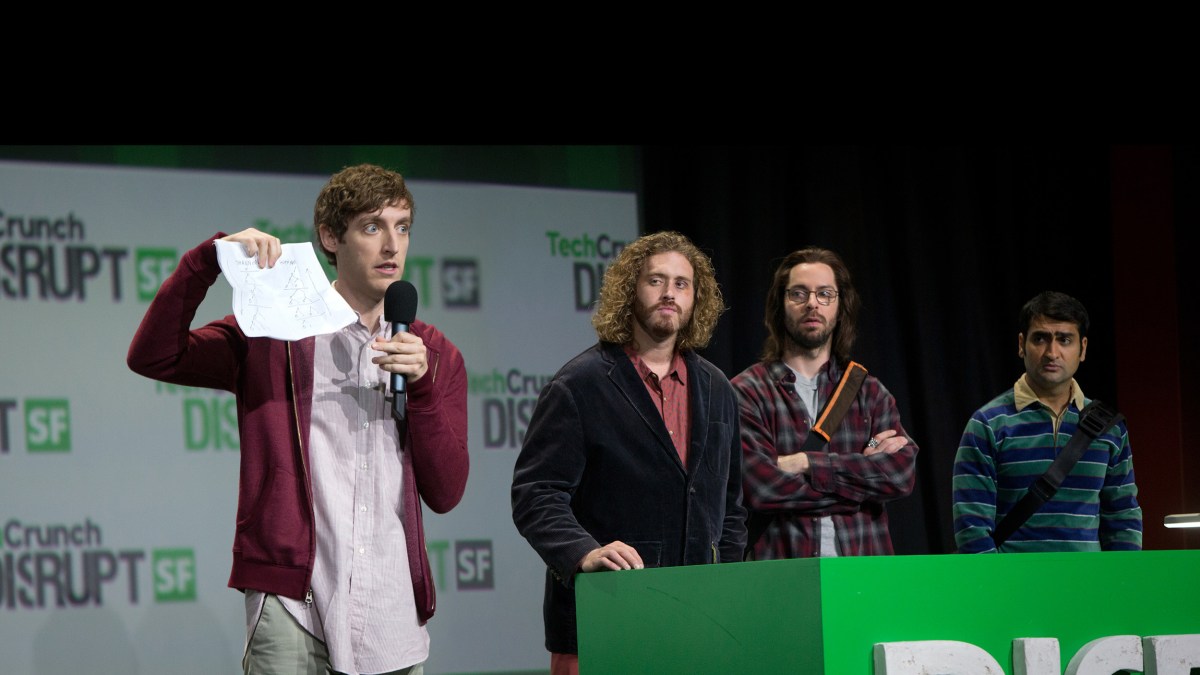
The technology has drawn comparisons to the fictional compression algorithm from HBO’s "Silicon Valley" and real-world breakthroughs like China’s DeepSeek AI model, which achieved competitive results with lower training costs. Industry experts are optimistic about TurboQuant’s potential impact.
However, TurboQuant currently focuses on inference memory compression and does not address the larger memory requirements of AI training. It remains a research breakthrough with commercial deployment yet to come.
In summary, TurboQuant represents a significant step toward more efficient AI infrastructure. Enterprise leaders should watch for its progress and consider how such innovations can optimize their AI deployments. Stay informed about AI infrastructure advancements by subscribing to our newsletter.


Comments