Bridging the AI Skills Gap: How Power Users Are Shaping the Future of Work

Updated: Sep 21
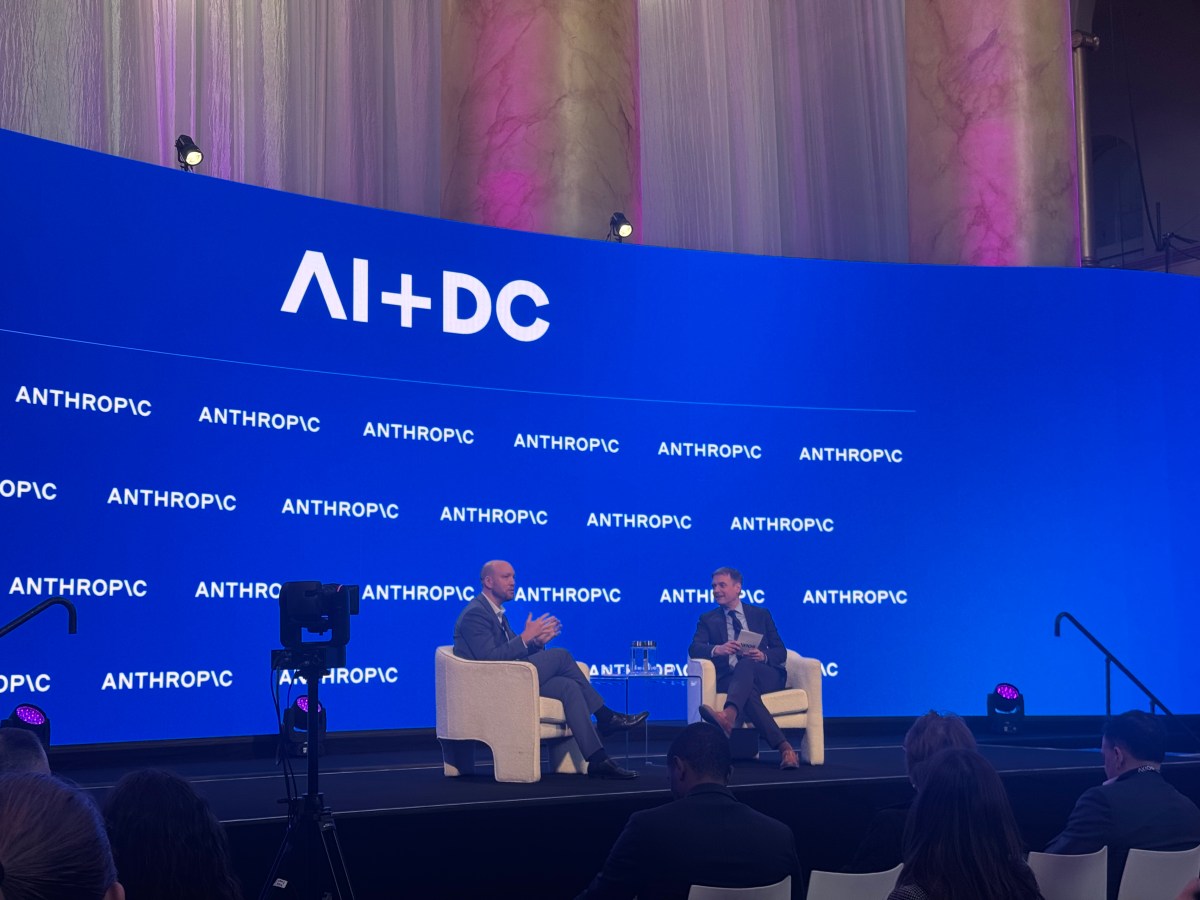
Recent research from AI company Anthropic reveals that while AI has not yet caused significant job losses, a notable skills gap is developing. Early adopters of AI tools like Claude are leveraging these technologies more effectively, gaining a competitive edge in their roles. This divide is especially pronounced among younger workers entering the labor market and those in specialized, knowledge-intensive occupations.
Anthropic’s head of economics, Peter McCrory, emphasizes that unemployment rates have not yet diverged significantly between workers who use AI extensively and those in less AI-exposed roles. However, the rapid spread of AI adoption across industries could shift this balance quickly. The company’s CEO, Dario Amodei, warns that up to half of entry-level white-collar jobs could be at risk within five years, potentially pushing unemployment rates to 20%.
To proactively address these challenges, Anthropic advocates for establishing robust frameworks to monitor AI’s labor market effects. Early detection of displacement trends will enable policymakers and enterprises to implement timely interventions. Tracking AI growth, adoption, and diffusion is critical for understanding where and how AI is reshaping work.
Anthropic’s report highlights that power users—those who integrate AI deeply into their workflows—derive significantly more value from AI tools. These users employ AI not just for basic tasks but as collaborative partners in ideation, iteration, and problem-solving. This sophisticated use amplifies productivity and innovation, creating a widening gap between power users and casual adopters.
The benefits of AI adoption are not evenly distributed. Usage intensity is higher in affluent countries and regions with a concentration of knowledge workers. This uneven adoption risks exacerbating existing economic inequalities, as power users in privileged environments pull further ahead while others lag behind.
Enterprises must prioritize workforce development strategies that close the AI skills gap. This includes investing in AI literacy and training programs, encouraging experimentation with AI tools across all levels of the organization, and fostering a culture of continuous learning and adaptation. By doing so, businesses can harness AI’s transformative potential while mitigating displacement risks.


Comments