How GM’s Chevy Bolt Revival Demonstrates Strategic EV Innovation Amid Market Uncertainty

Updated: Sep 21
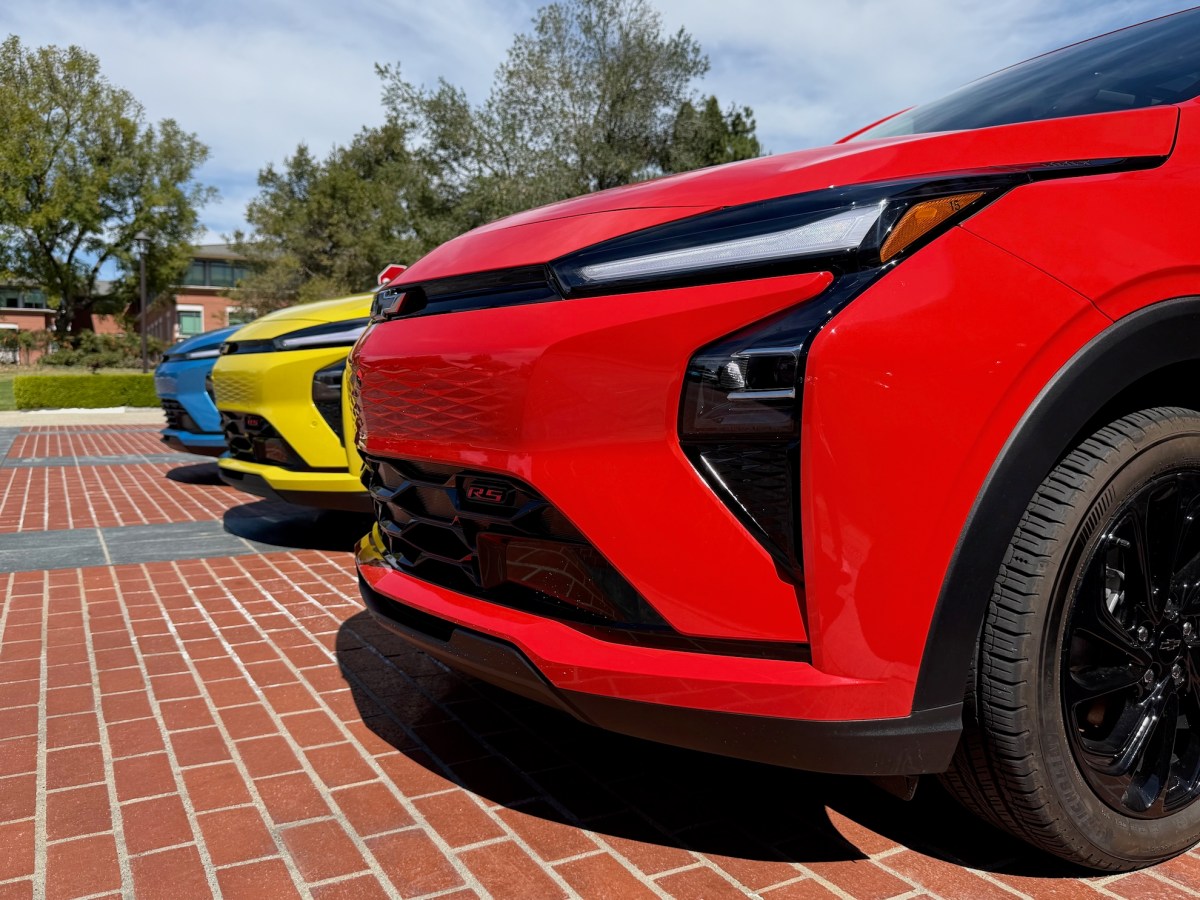
General Motors’ revival of the Chevy Bolt highlights a strategic approach to managing electric vehicle production amid a challenging market. By utilizing idle factory capacity at its Fairfax Assembly Plant, GM efficiently filled a manufacturing gap before new SUV models arrive. This decision reflects a pragmatic use of existing resources to maintain production momentum.
Instead of developing an entirely new platform, GM focused on incremental improvements to the Bolt’s design. Advances in EV-specific parts and components have lowered costs and enhanced performance. The new Bolt incorporates a more efficient motor and sophisticated battery management systems, delivering better range and driver experience without the expense of a full redesign.
GM’s expanded EV lineup across multiple brands has provided valuable experience and parts commonality. The refreshed Bolt features an Android Automotive operating system that optimizes battery usage and charging. This integration of software and hardware improvements demonstrates a comprehensive approach to vehicle innovation.
Profitability is a key goal for the new Bolt, which is expected to outperform its predecessor financially. Enhanced motor efficiency and power electronics contribute to a 15-mile range increase, making the vehicle more competitive. These operational efficiencies are critical in a market where many EVs face cost challenges.
Despite a recent $6 billion charge due to slower EV adoption, GM remains committed to its goal of phasing out fossil fuel vehicles by 2035. The Bolt’s comeback exemplifies a balanced strategy that combines innovation with resource management, supporting the company’s long-term electrification vision.
GM’s approach offers broader lessons for enterprises facing technological transitions. Leveraging existing assets, embracing incremental innovation, and aligning development with market conditions can drive sustainable progress. The Chevy Bolt case demonstrates that steady, calculated improvements can be as impactful as disruptive breakthroughs in advancing new technologies.


Comments