David Sacks Transitions from AI Czar to Co-Chair of PCAST, Expanding Tech Advisory Role

Updated: Sep 21
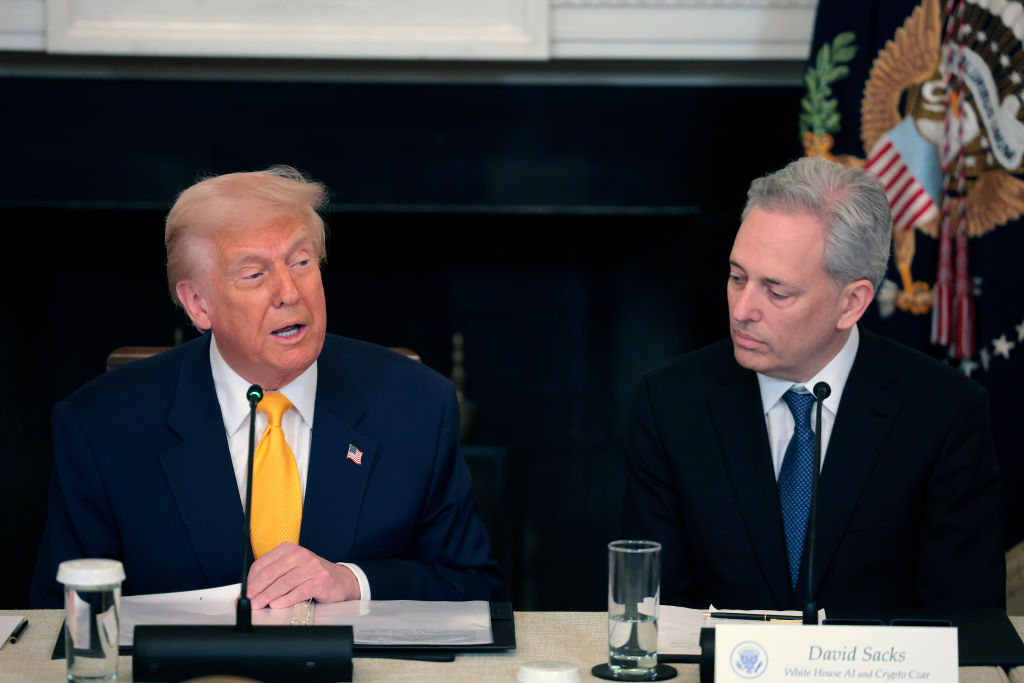
David Sacks has ended his 130-day role as AI czar under the Trump administration and taken on a new position as co-chair of the President’s Council of Advisors on Science and Technology (PCAST). This move shifts his influence from direct policy-making to an advisory role alongside a panel of leading technology executives.
PCAST’s current membership includes prominent figures such as Nvidia’s Jensen Huang, Meta’s Mark Zuckerberg, Oracle’s Larry Ellison, and Google co-founder Sergey Brin. This high-profile group brings significant industry expertise to the council, signaling a strong collaboration between government and the tech sector.
Beyond AI, the council will focus on advanced semiconductors, quantum computing, and nuclear power. One of its immediate goals is to promote a national AI framework that addresses the current fragmented regulatory environment caused by varying state-level rules, which complicates compliance for innovators.
Sacks has emphasized the challenges posed by inconsistent regulations across states and the need for a unified federal approach to foster innovation while ensuring responsible governance. Historically, PCAST’s impact has varied, with some administrations producing influential reports and others less so. The current industry-heavy composition suggests a more market-driven advisory approach.
As Sacks transitions out of his government role, he plans to return to his entrepreneurial and investment activities, particularly through Craft Ventures. His unique experience at the intersection of technology innovation and federal policy positions him well to continue influencing the enterprise technology landscape.
This development reflects broader trends in technology governance, where collaboration between government and industry leaders is increasingly vital to navigate complex regulatory and innovation challenges.


Comments